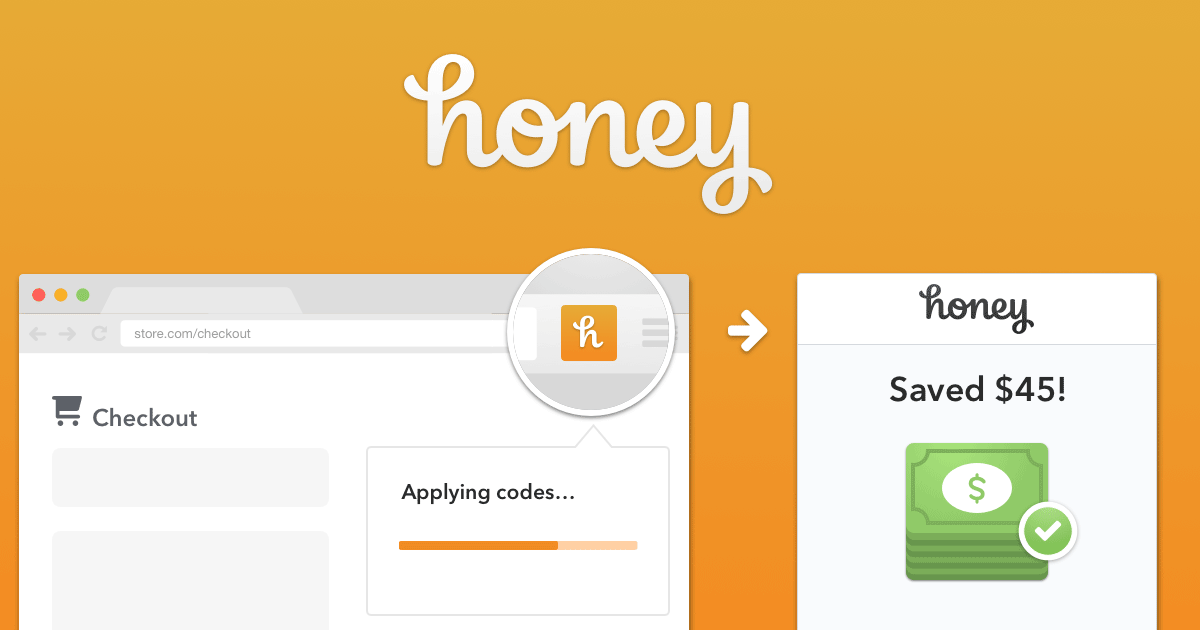
Browser extension affiliates can offer shoppers coupons, cashback, rewards or other assistance while they browse and buy. Their position near checkout also raises a question for brands: what value did the partner add, and what happened to the credit assigned to other partners?
The answer depends on the extension's actual behavior, your program rules and the economics of the relationship. Evaluate the customer experience and the tracking mechanism together. A large reported sales total does not settle either question.
Understand what the extension does
Start with a demonstration of the full customer journey. Ask how the software is installed, what it tells the user, when it appears and which action creates an affiliate referral.
Then examine the benefit. Does it find a valid discount, activate a reward, provide a useful comparison or do something else the shopper requested? Confirm how it behaves when no offer is available. Installation alone does not explain whether a particular transaction should earn a commission.
Separate a partner's public description from the behavior you can verify. Review the relevant browser-store listing, disclosures and permissions, then test representative scenarios with the partner and network. Do not assume every extension operates in the same way.
Review the effect on other affiliates
Consider a shopper who reads a publisher's detailed vacuum-cleaner review and follows its affiliate link to a retailer. At checkout, the shopper interacts with a rewards extension. Depending on the implementation and attribution rules, that later interaction could affect which affiliate receives credit.
The review publisher may have helped the shopper choose the product; the extension may provide a benefit the shopper wants. Your program needs an explicit policy for those overlapping contributions.
Ask the network and partner to explain what happens when another affiliate has already referred the visitor. Determine whether a stand-down rule prevents activation, whether a lower-priority tracking rule applies and how the behavior is tested. Document any approved exception. Avoid describing stand-down as a universal industry rule with identical operation on every platform.
Apply the relevant platform and network rules
The Chrome Web Store's affiliate advertising policy requires prominent disclosure of affiliate participation. It also requires a related user action before each affiliate link, code or cookie is included, together with a direct, transparent benefit associated with the extension's function.
Google's policy FAQ makes the benefit requirement concrete: an extension cannot insert affiliate tracking simply because it checked for an offer when no real benefit was provided. Review both the interaction and its result when testing a coupon feature.
Network requirements are an additional layer. For example, Awin's publisher-terms update effective August 28, 2025 describes default Soft Click treatment for extension, adware and toolbar traffic, with defined exceptions. It also covers explicit user activation, advertiser notification and publicly documented stand-down logic.
These are examples of specific policies, rather than a complete statement of every network's rules. Confirm the applicable terms, current account classification and approved tracking configuration before the partner launches. Browser-store availability does not establish that your program's requirements have been met.
Test whether the partnership adds commercial value
Now consider a different shopper: someone who goes directly to the retailer, already intending to buy. A rewards reminder appears during checkout. The customer activates it and completes the order.
That transaction may comply with the program's rules and still leave a commercial question. Did the reward change the purchase decision, increase the basket, support retention or simply add a cost to an order likely to occur anyway?
Review more than attributed revenue:
- New and returning customer mix, using agreed definitions.
- Order value, product mix, discounts and margin.
- Returns, cancellations and commission adjustments.
- The timing and nature of the extension interaction.
- Overlap with other affiliates and other marketing activity.
- The combined cost of commission, rewards, placements and program fees.
These measures provide context, but they do not individually prove incremental sales. Where practical, work with your analytics team and partner on a controlled test with a defined comparison. Account for differences in customer eligibility, timing, promotions and product availability when interpreting it.
Avoid assuming every sale is incremental or that every checkout interaction has no value. Set the decision against your actual objective and the evidence the test can support.
Put the agreement into operating terms
Before approving an extension partner, document its permitted behavior. Include the traffic source, activation requirements, coupon permissions, tracking configuration, commission terms and escalation process.
Keep an agreed process for product or software changes. A partner should notify the appropriate program contacts when a material change could affect activation, attribution or customer information. Review any new account or subnetwork route rather than assuming it inherits an earlier approval.
Retest after significant changes and when another partner reports a concern. Use reproducible evidence: the date, browser and extension versions, consent state, sequence of actions and relevant tracking records. Handle customer and partner information through approved channels.
If the observed behavior differs from the agreement, work with the network's compliance team and follow the documented response process. Commercial scale is not a reason to overlook a material breach.
Make the decision specific to your program
In 2018, iAffiliate Management founder Rick Gardiner described the value of toolbar partners conditionally: “If the toolbar affiliate is reputable and a good partner (adhering to the guidelines) they can add value to an affiliate program.” He also emphasized evaluating the relationship against the retailer's goals.
That evaluation needs both a useful customer benefit and a defensible operating model. Review the partner in the context of your wider affiliate mix, including the content and creator relationships that may influence decisions earlier.
If you want help assessing extension activity or your program's partner economics, talk with our team about an affiliate program review.